

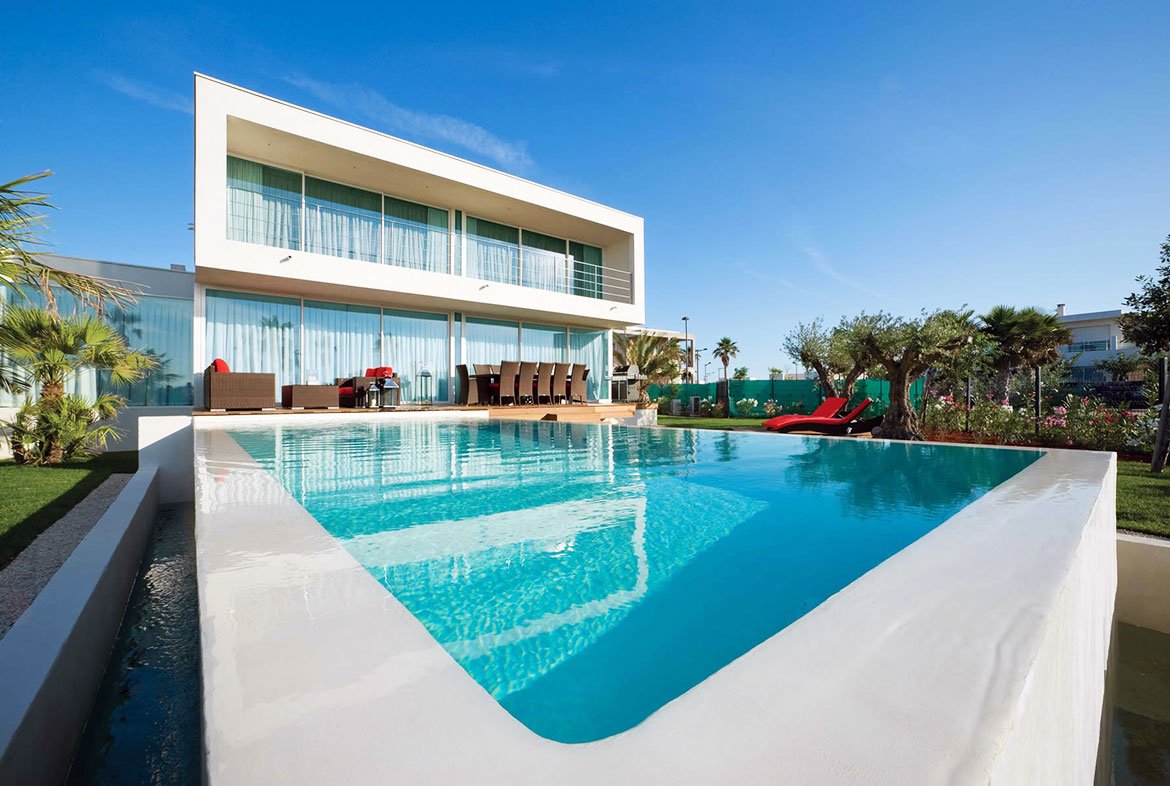
Real estate isn’t just about buildings and land—it’s about opportunities, growth, and creating lasting value. In Uganda, the property market has grown into a vibrant and dynamic industry, attracting investors, tenants, and developers alike. From the luxury villas in Kololo and Muyenga to the bustling rental apartments in Nansana, Zana, and Kakoba, the appeal of real estate is undeniable. Here’s why we love real estate.
1. Real Estate Builds Long-Term Wealth
Investing in property is one of the most reliable ways to secure financial stability and long-term growth. In Uganda, cities like Kampala, Mbarara, Jinja, and Gulu are experiencing rapid urbanization, which means property values continue to rise. Owning residential or commercial properties provides both steady rental income and capital appreciation over time.
One of the most attractive features of real estate is its ability to build long-term wealth. Unlike other forms of investment that can be volatile or intangible, property provides a concrete asset that can appreciate over time. Luxury villas in Kololo and Muyenga, mid-range apartments in Nansana or Zana, and commercial plots in Jinja or Mbarara all offer unique opportunities for both short-term rental income and long-term capital growth. For many Ugandan investors, owning property is not just about profit; it is a way to secure financial stability and leave a lasting legacy.
Real estate has always held a special place in the world of investment and wealth creation, and in Uganda, this holds truer than ever. The property market in the country has grown dramatically over the past decade, fueled by urbanization, population growth, and economic expansion. Cities like Kampala, Jinja, Mbarara, Mbale, and Gulu are not just hubs of business and trade; they are centers where the value of land, homes, and commercial spaces continues to rise steadily. It is this combination of financial opportunity, tangible assets, and community impact that makes real estate so compelling.
Real estate also provides an unmatched level of diversity in investment opportunities. Residential, commercial, and industrial properties each serve different market needs. Residential properties, from apartments to villas, cater to families, young professionals, and expatriates, while commercial spaces accommodate offices, retail outlets, and small businesses. Even within cities, there is a spectrum: high-end neighborhoods like Nakasero or Muyenga attract affluent tenants, whereas emerging areas like Kulambiro or Bweyogerere provide opportunities for investors targeting middle-income tenants. This diversity allows property owners to adapt strategies to market demand, making real estate an inclusive and versatile investment sector.
Beyond wealth and diversity, real estate offers security and reliability. A physical asset such as land or a building provides a sense of permanence that few other investments can match. Land ownership, in particular, has cultural and social significance in Uganda, providing both prestige and stability. It is an asset that can be improved, rented, or sold, giving investors tangible control over their investments. This sense of security is especially valuable in a rapidly growing market where urban expansion and development continue to shape demand.
Moreover, real estate has a direct impact on communities and local economies. Residential developments create housing for families, while commercial spaces support entrepreneurs and small businesses. Investments in areas like Mbarara, Mbale, or Gulu not only generate financial returns but also contribute to the growth of local infrastructure, job creation, and social development. Real estate is therefore more than just a financial endeavor—it is a way to build thriving neighborhoods and improve the quality of life for many Ugandans.
Another compelling reason to love real estate is the passive income potential it offers. Rental properties in high-demand areas can provide consistent monthly revenue, helping investors achieve financial freedom. With urban migration on the rise, rental demand in Kampala’s high-end neighborhoods, as well as developing suburbs like Nsangi and Zana, continues to grow, ensuring a steady flow of tenants and rental income. For many, this income stream allows for reinvestment, expansion, or the pursuit of other business ventures.
Real estate is also a field that encourages creativity and innovation. From architectural design and property staging to marketing strategies and customer engagement, investors are constantly challenged to differentiate themselves. In Uganda, properties that incorporate modern amenities, scenic views, or eco-friendly features often command higher rents or faster sales. Innovation allows investors not only to attract tenants and buyers but also to set new standards for quality and design in the market.
Importantly, real estate serves as a hedge against inflation. As the cost of living and construction materials fluctuates, property values tend to increase over time, safeguarding wealth. This stability makes real estate a preferred investment for those looking to protect their capital while still enjoying growth opportunities.
Finally, what makes real estate truly captivating is its connection to people and society. Properties are not just structures; they are homes, workplaces, and community centers. They shape neighborhoods, facilitate businesses, and foster interactions that enrich the social fabric. Investors who understand the human element of real estate—how it affects lives and livelihoods—can build not only profitable portfolios but also meaningful legacies.
In conclusion, we love real estate because it offers a unique blend of financial growth, tangible security, creative expression, and social impact. In Uganda’s vibrant and evolving market—from luxury apartments in Kololo to commercial spaces in Jinja and Mbarara, and rental homes in Nansana and Zana—real estate remains one of the most rewarding industries to be involved in. It is a field where investors, developers, and tenants alike can find opportunity, stability, and fulfillment, making it more than just an investment—it is a passion.

Join The Discussion